Source red rose crochet scarf and knit blanket set for Indoor, Outdoor, Travel
Find 30 listings for the red rose crochet scarf and knit blanket set featuring polyester and acrylic materials. Buyers can compare custom colors, sizes, and features like abrasion resistance across multiple suppliers from China.
Key considerations
Products List
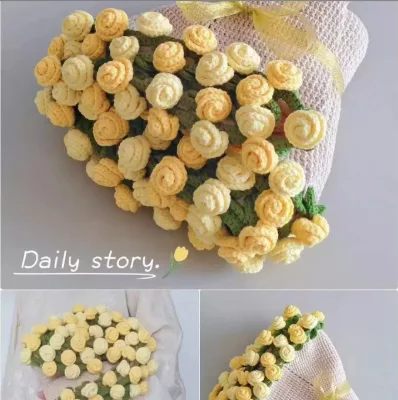
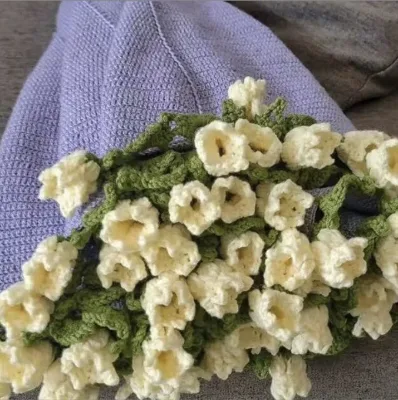
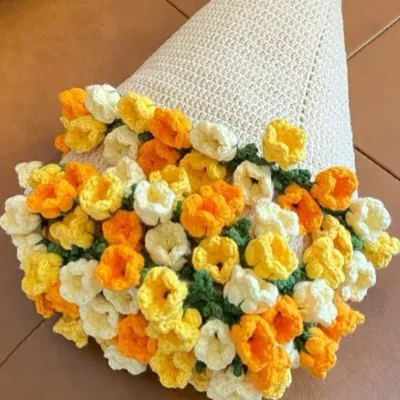


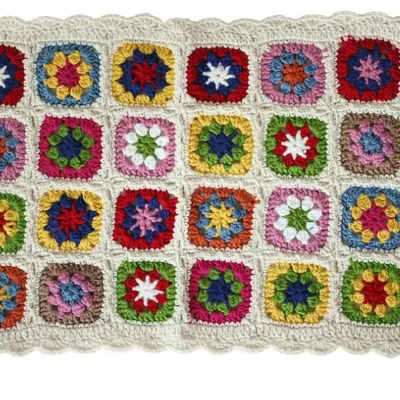


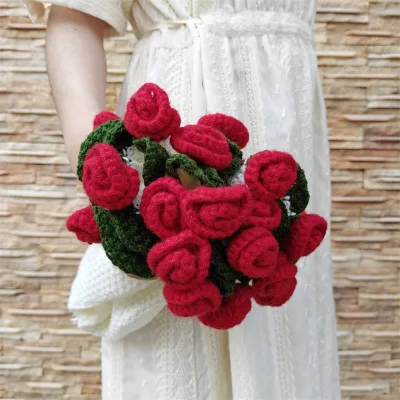
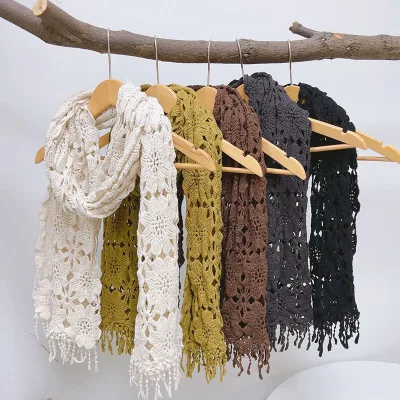
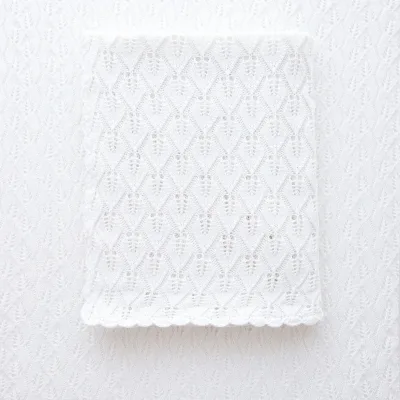
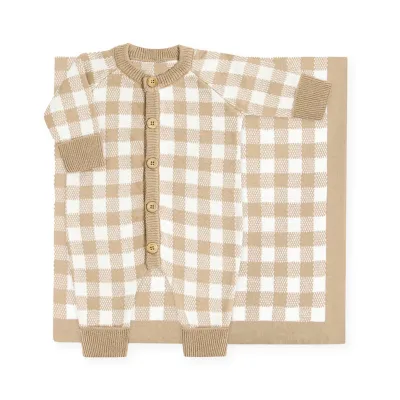


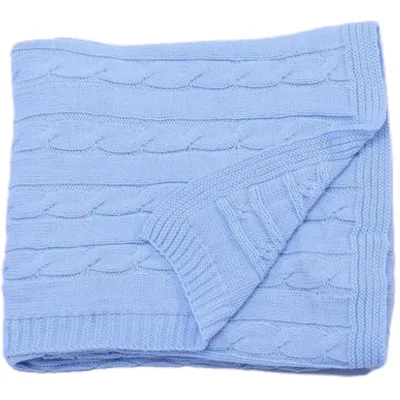
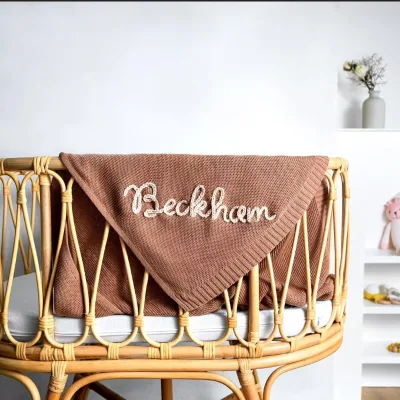
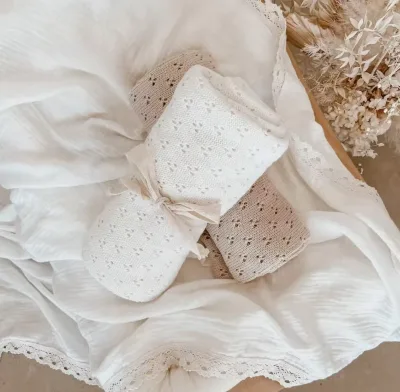


Comprehensive Sourcing Guide
Strategic Sourcing Guide for Red Rose Crochet Scarf and Knit Blanket Sets
The global market for home textiles and wearable accessories has seen a sustained demand for handcrafted aesthetics, particularly in the realm of crochet and knitwear. Buyers searching for a "red rose crochet scarf and knit blanket set" are often looking for items that blend traditional artisanal techniques with modern manufacturing capabilities. While the specific visual of a red rose motif is a common design element, the actual procurement of such sets requires a disciplined approach to verifying product attributes, understanding material composition, and navigating the complexities of supplier capabilities. This guide provides a structured framework for sourcing these items, relying strictly on observed market data and established procurement principles to ensure a robust supply chain strategy.
Technical Specifications and Material Composition
When evaluating a red rose crochet scarf and knit blanket set, the first step is to rigorously analyze the technical specifications provided by potential suppliers. The market data indicates a significant variance in material composition, which directly impacts the feel, durability, and care requirements of the final product. Some listings explicitly state a material composition of 100% Polyester, while others specify 100% Acrylic. Both materials are synthetic fibers, but they offer distinct characteristics. Polyester is often chosen for its strength and resistance to shrinking, whereas acrylic is frequently selected for its wool-like softness and warmth, making it a popular choice for winter accessories.
The yarn count and type are equally critical indicators of quality. Observed data points to a yarn count of 1, which generally suggests a thicker, heavier yarn suitable for blankets and substantial scarves. The yarn type is often described as "Texturized," a process that adds bulk and texture to the fiber, enhancing the visual appeal of the crochet pattern. Furthermore, the "Mercerized" technique is noted in several product descriptions. Mercerization is a treatment applied to cellulose fibers (like cotton) to increase luster and strength, though its application to synthetic blends can vary. Buyers must verify if this treatment is applied to the specific fiber type in the product they are sourcing, as it affects the sheen and dye absorption.
The production method is another key differentiator. While the core keyword implies "handmade" or "hand knitting," the technical specifications reveal a mix of "Hand Knitting," "Hand Woven," and "Machine Weaved" techniques. A "Red Rose" design might be achieved through machine weaving for consistency or hand knitting for unique texture. The "Pattern" attribute varies between "Dyed," "Yarn Dyed," and "Plain Dyed." Yarn-dyed fabrics, where the yarn is colored before weaving, generally offer superior colorfastness and a more intricate pattern definition compared to piece-dyed or plain-dyed methods. Buyers should request physical samples to confirm whether the red rose motif is woven into the fabric or printed on the surface, as this distinction significantly influences the perceived value and longevity of the design.
Compliance, Certification, and Safety Standards
In the B2B textile sector, compliance is not merely a formality but a critical risk management tool. When sourcing products from China, as indicated by the "Place of Origin" data, buyers must ensure that the goods meet the safety and chemical regulations of their target markets. The observed product attributes list features such as "Eco-Friendly," "Anti-Pilling," and "Abrasion-Resistant." However, these are marketing claims that require verification through third-party testing.
Buyers should not assume that a product labeled "Eco-Friendly" meets specific international environmental standards without documentation. It is essential to request test reports that verify the absence of harmful substances such as azo dyes, formaldehyde, or heavy metals, which are common concerns in textile manufacturing. The "Feature" list also includes "High Tenacity," which implies a resistance to breaking under tension. This claim should be backed by tensile strength test results, particularly for scarves that undergo frequent pulling and stretching.
Regarding certifications, while the provided data does not list specific certification bodies (such as OEKO-TEX or GRS), buyers must actively seek these documents. For products intended for children or infants, additional safety standards regarding flammability and small parts (if applicable) are mandatory. The "Age Group" is listed as "Adults" in some contexts, but the "Department" field mentions "Beanie," suggesting a broader demographic. If the product line expands to include children's sizes, the compliance requirements shift significantly. Buyers must verify that the supplier can provide the necessary test reports for the specific target market, whether it is the European Union, North America, or other regions with strict textile regulations.
Cost Drivers and Pricing Structures
Understanding the cost structure of a red rose crochet scarf and knit blanket set is vital for maintaining healthy profit margins. The observed price range in the market spans from $1.29 to $45.00 USD. This wide variance is driven by several factors, including material quality, production complexity, and order volume. The lower end of the price spectrum likely corresponds to machine-woven acrylic products with simple dyeing processes and high Minimum Order Quantities (MOQ). Conversely, the higher price points are associated with hand-knitted items, custom designs, and the use of premium materials like mercerized polyester or blended fibers.
The MOQ is another significant cost driver. The observed MOQ range is from 1 to 2000 units. For buyers testing the market, suppliers offering an MOQ of 1 or low quantities allow for sample testing without significant capital commitment. However, larger orders typically unlock better unit pricing. The "Single package size" varies between 25x20x10 cm and 40x12x16 cm, which directly impacts shipping costs. Bulky items like blankets incur higher freight charges, so optimizing packaging is a key cost-saving strategy.
Additionally, the "Customization" availability is a major factor in pricing. Products with custom colors, such as the specific "Red" required for the rose motif, or custom sizes (ranging from "One-Size" to "Queen" and "Custom Size"), will command a premium. The "Sample Time" of 3 to 5 days and "Lead Time" of 15 to 20 days are standard benchmarks, but rush orders or complex customizations may extend these timelines and increase costs. Buyers should factor in these lead times when planning their inventory to avoid stockouts or the need for expensive air freight.
Typical Applications and Market Segmentation
The versatility of the red rose crochet scarf and knit blanket set allows for diverse applications across various market segments. The "Usage" attributes highlight "Hand Knitting," "Handmade crochet," "Travel," "Hospital," and "Home." This indicates that the product serves both functional and decorative purposes. In a home setting, these sets are often marketed as cozy winter accessories, aligning with the "Season" attribute of "Winter" and "Spring/Autumn." The "Application" field also notes "Indoor, outdoor," suggesting durability for use in patios or outdoor gatherings, provided the material is weather-resistant.
The "Feature" list includes "Windproof," "Washable," "Lightweight," and "Foldable," which are crucial for travel and outdoor use. A scarf and blanket set designed for travel must be compact and easy to clean, making the "Lightweight" and "Foldable" attributes highly desirable. For the hospitality industry, such as hotels or hospitals, the "Anti-Pilling" and "Abrasion-Resistant" features ensure the product maintains its appearance after repeated use and washing. The "Gender" is listed as "Unisex," broadening the potential customer base to include men, women, and children, although the "Department" field specifically mentions "Beanie," which may indicate a focus on headwear as a complementary product.
Buyers should consider the seasonal nature of these products. With a primary season of "Winter," demand typically peaks in the third and fourth quarters of the year. However, the inclusion of "Spring/Autumn" suggests that lighter versions or transitional items may also be viable. Understanding these application contexts helps in tailoring the product mix to specific customer needs, whether they are targeting luxury home decor retailers, travel gear shops, or mass-market discount stores.
Supplier Evaluation and Quality Control
Selecting the right supplier is the cornerstone of a successful sourcing strategy. The data indicates that suppliers are located in China, a major hub for textile manufacturing. When evaluating potential partners, buyers should look beyond the basic product listing and assess the supplier's ability to deliver consistent quality. The "Product Name" and "Model Number" (e.g., TXAL-CB-015, SNTA-1208B, JE-082) serve as unique identifiers, but buyers must ensure that the supplier can consistently reproduce the specific "Red Rose" design and color.
Quality control measures should be implemented at multiple stages. First, verify the "Material" composition through laboratory testing to ensure it matches the claimed 100% Polyester or Acrylic. Second, inspect the "Pattern" and "Dye" consistency to ensure the red rose motif is uniform and free from bleeding. Third, check the "Technics" to confirm that the "Mercerized" or "Machine Weaved" processes are executed correctly. The "Single gross weight" of 2.000 kg is a critical specification for logistics; deviations from this weight could indicate missing components or packaging errors.
Buyers should also review the "Packing" specifications. Options include "PVC Bag," "Polybag, Carton Box," and "OPP." The choice of packaging affects product protection and presentation. For high-end markets, a sturdy carton box with individual polybagging is preferred to prevent damage during transit. For cost-sensitive markets, simple polybagging may suffice. The "Sample Time" of 3 to 5 days allows for rapid iteration, but buyers should use this period to rigorously test the sample against all quality criteria before placing a bulk order.
Long-Term Procurement Considerations
Sourcing a red rose crochet scarf and knit blanket set is not a one-time transaction but part of a long-term supply chain relationship. Buyers must consider the scalability of the supplier's operations. The "Lead Time" of 15 to 20 days is a baseline, but during peak seasons, this may extend. A reliable supplier should have the capacity to scale production without compromising quality or delivery schedules. The "Customization" feature is a key indicator of flexibility; suppliers who can accommodate changes in color, size, and design are better positioned to adapt to shifting market trends.
Sustainability is another long-term consideration. While the "Eco-Friendly" feature is mentioned, buyers should explore the supplier's broader sustainability practices, such as water usage in dyeing processes and waste management. The "Standard" attributes, such as "Queen size" or "54-58cm," provide a framework for sizing, but buyers should ensure that these standards align with international sizing norms to avoid customer confusion.
Finally, the "Brand Name" listed as "china" suggests a generic or unbranded product. For buyers looking to build their own brand, the ability to private label or customize the product is essential. The "Customization" availability confirms that this is possible, but it requires clear communication and agreed-upon specifications. By focusing on these long-term factors, buyers can build a resilient supply chain that delivers high-quality red rose crochet scarf and knit blanket sets consistently over time.
Comparative Analysis of Product Attributes
To assist in decision-making, the following table summarizes the key variations observed in the market data for red rose crochet scarf and knit blanket sets. This comparison highlights the trade-offs between different product configurations.
| Attribute Category | Option A (Standard) | Option B (Premium/Custom) | Option C (Travel/Outdoor) |
|---|---|---|---|
| Material | 100% Polyester | 100% Acrylic | Blended (Verified) |
| Technics | Machine Weaved | Hand Knitted / Mercerized | Machine Weaved |
| Pattern | Plain Dyed | Yarn Dyed (Red Rose) | Plain Dyed |
| Size | Queen / One-Size | Custom Size | One-Size / 54-58cm |
| Features | Anti-Pilling | High Tenacity, Eco-Friendly | Windproof, Lightweight |
| Packaging | PVC Bag | Polybag, Carton Box | OPP |
| MOQ | 2000 Units | 1-500 Units | 1-100 Units |
| Lead Time | 15-20 Days | 15-20 Days | 15-20 Days |
This table illustrates that while the core product remains the same, the specific attributes chosen by the buyer will dictate the cost, quality, and suitability for different market segments. By carefully selecting the combination of material, technics, and features, buyers can optimize their procurement strategy to meet specific business goals.
FAQs
What materials are used for red rose crochet scarf and knit blanket sets?
These sets are commonly made from 100% Polyester or 100% Acrylic fibers. Both materials offer distinct benefits, with acrylic providing a wool-like softness suitable for winter use, while polyester ensures strength and resistance to shrinking.
Can I customize the color and size of the red rose crochet blanket?
Yes, customization is available for both color and size. Buyers can request specific colors like red for the rose motif and choose from standard sizes such as Queen or custom dimensions to fit specific needs.
What is the typical lead time for ordering these crochet sets?
The standard lead time ranges from 15 to 20 days for bulk orders. Sample production is faster, typically taking 3 to 5 days, allowing buyers to verify quality before committing to larger quantities.
Which production techniques are used for the red rose crochet patterns?
Production techniques vary between Hand Knitting, Hand Woven, and Machine Weaved methods. The yarn is often Texturized and treated with Mercerization to enhance luster, while patterns may be Dyed or Yarn Dyed for durability.
How do the MOQ and pricing vary for these textile products?
Minimum Order Quantities range from 1 to 2000 units depending on the supplier and customization level. Prices vary significantly from 1.29 to 45 USD, influenced by material quality, production complexity, and order volume.
Where are the suppliers for these red rose crochet sets located?
The primary place of origin for these products is China. Buyers should verify that suppliers in this region can meet specific safety standards and provide the necessary documentation for their target export markets.
What features make these blankets suitable for travel and outdoor use?
Key features include being Windproof, Lightweight, Foldable, and Washable. These attributes ensure the set is durable for outdoor applications while remaining easy to transport and maintain for travel or hospital environments.